
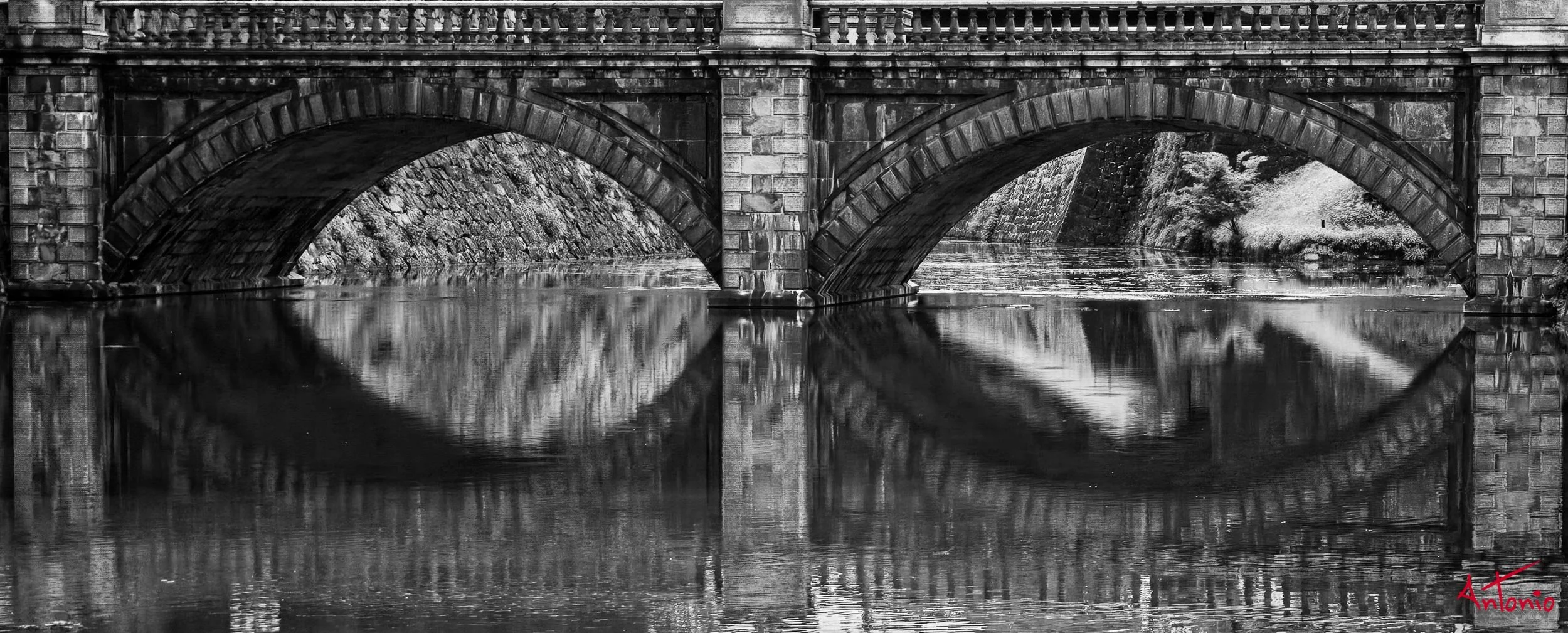
Why my passion for photography ?
It’s curious how certain events from our childhood leave a lasting mark on us. Some happen completely unconsciously, but others—no matter how young we were—leave an indelible impression that shapes the rest of our lives.
When I was a child, about two years old, and my mother would start preparing dinner, she’d send me to my father to keep me from getting hurt by the hot milk. He, being a keen photography enthusiast, had a darkroom at home. Those moments are etched in my mind, and I’m certain that’s where my love for this art form was born. My father would sit me on a small counter inside that room. He would turn off the light, and we would be left in almost total darkness, except for the faint, yellow glow of a safety lamp placed above a small wash basin. It was a light designed not to affect the emulsion on the photographic paper, allowing us to move around the space. That’s where the magic began.
My father would place a negative in his enlarger and a sheet of white paper underneath it. When he turned on the enlarger’s light, an image was projected that didn’t mean much to me, since it was inverted: white was black and black was white. With some effort, I managed to make out what it was. Then he would take that sheet of paper that had only been exposed to light and submerge it in a liquid for a few minutes. Little by little, a real image began to emerge on the surface. It was pure magic that filled me with unimaginable wonder. From a blank sheet of paper, using light and a chemical, a replica of what he had observed days or hours earlier would appear. I thoroughly enjoyed being in that darkness and silence, watching the images come to life on the paper.
When I asked what it was, he simply replied: —“Photography.”
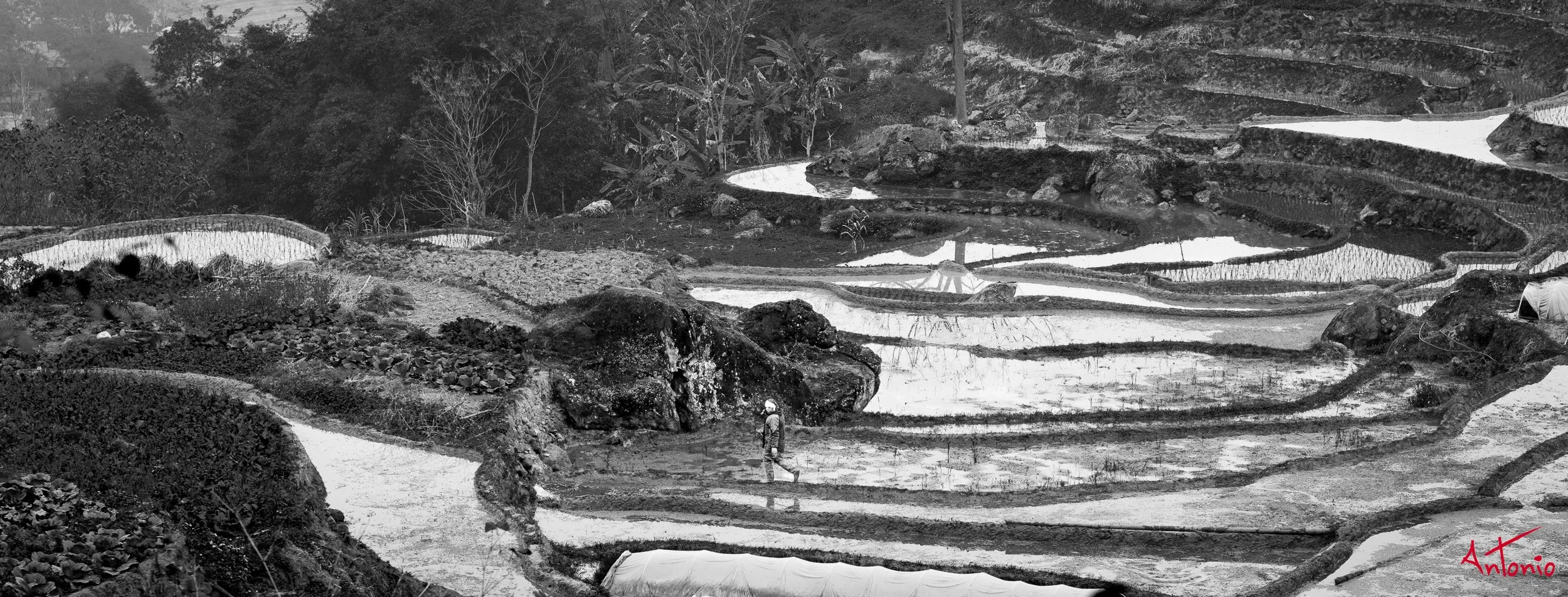
Where does a photograph come from?
Essentially, a good photograph comes from the photographer’s soul. Technique, camera quality, lens sharpness, film type, or sensor resolution aren’t always what matter most. All of those things can help, but the essence of photography lies in the ability to convey something to the viewer.
Today, with the advantages of digital technology, the creative process has been transformed; we can take hundreds of shots and then choose the best one. In contrast, when there was the limitation of a roll of film, the quantity was defined in advance, so the pursuit of quality took center stage. The eye was responsible for recognizing the precise moment to send the impulse to the soul that made it press the shutter button. It was that moment—expected or unexpected—that truly made the photograph. It wasn’t about taking countless photos to choose one; it was about capturing something that conveyed so much.
They say you can see the soul through the eyes; in the same way, the soul observes the photograph through the eye and the camera. That moment, that feeling, is what truly matters.
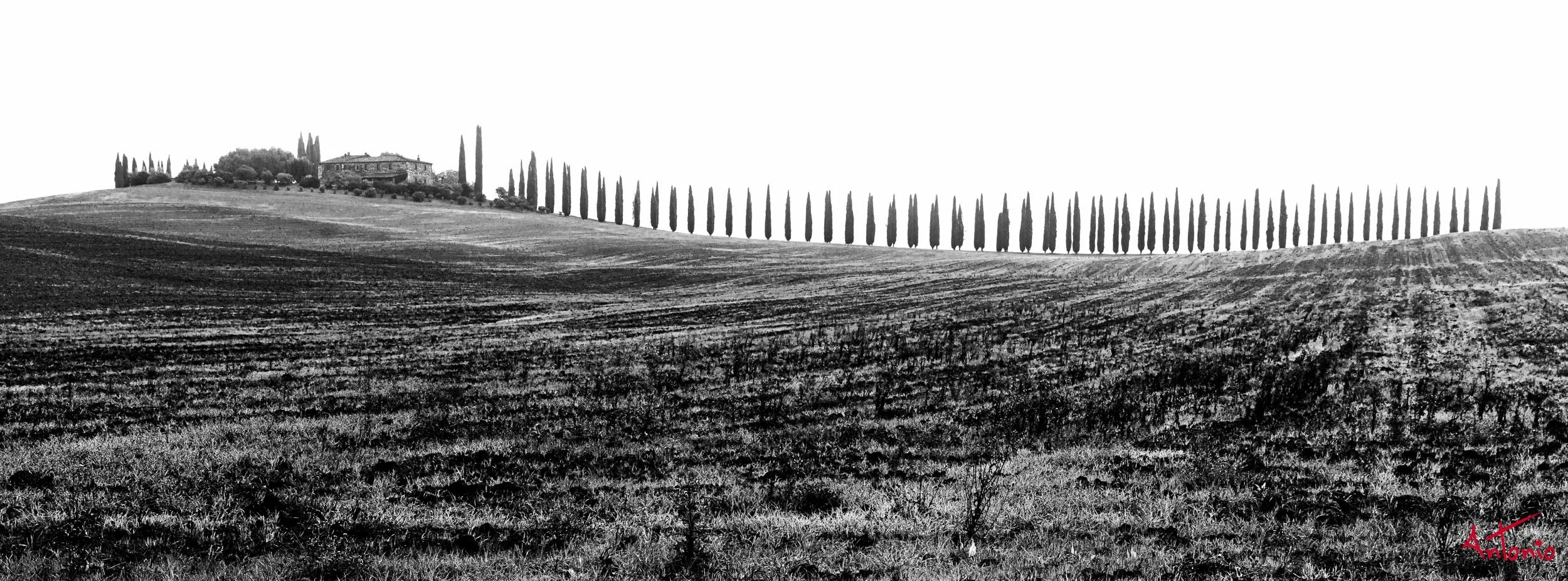
Who will be the witness of the 21st Century ?
For me, every photograph is an act of faith. Each time I look at an image, I believe—or want to believe—that what it shows truly happened, that it existed before someone’s gaze in an unrepeatable moment in time. The photographs that make up this site are born from that deep belief. They are images of what was there, of what I saw and experienced. Nothing has been added and nothing deliberately removed. Some were taken on film, others with digital tools, but all respond to the same intention: to bear honest witness to reality as it appeared before my eyes.
I grew up understanding photography as a silent witness to the world. For much of the twentieth century, photographic film fulfilled that role with almost unquestioned authority. The negative was a physical trace, a tangible proof that light had touched a specific place at a specific moment. Within it rested a simple and powerful certainty: something happened. With the arrival of digital photography, that certainty began to change. The image ceased to be only a record and also became interpretation, possibility, and construction.
Today, in the twenty-first century, an image no longer needs to have passed through reality in order to exist. It can be created, modified, or imagined without ever standing before the tangible world. Artificial intelligence allows us to generate perfect scenes of events that never occurred, faces that never breathed, stories without memory. Faced with this, I cannot help but ask: what will remain as testimony of our time? Which images will speak honestly about who we were and what we lived?
We live in a time in which trust in what we see is weakening. Seeing is no longer believing. The image, once considered evidence, can now be simulation. The boundary between the real and the created grows increasingly blurred, and our perception becomes trapped in constant doubt. Even what we witness with our own eyes is filtered through the fragility of memory and the subjectivity of our consciousness.
Perhaps, in the midst of this uncertainty, there will be a renewed need for slower, more deliberate, more tangible processes. Perhaps photographic film will regain value not only for its aesthetic qualities but also for its resistance to manipulation. Or perhaps we will need new forms of certification, new pacts of trust that attempt to restore the image to its role as a witness. Even so, the question will remain open.
This though does not seek to offer definitive answers. Rather, it is a personal invitation to pause and reflect on the value of the image in our time. For me, photography remains a deeply human attempt to preserve the memory of what has been lived. A gesture in the face of passing time. A quiet form of resistance against forgetting.
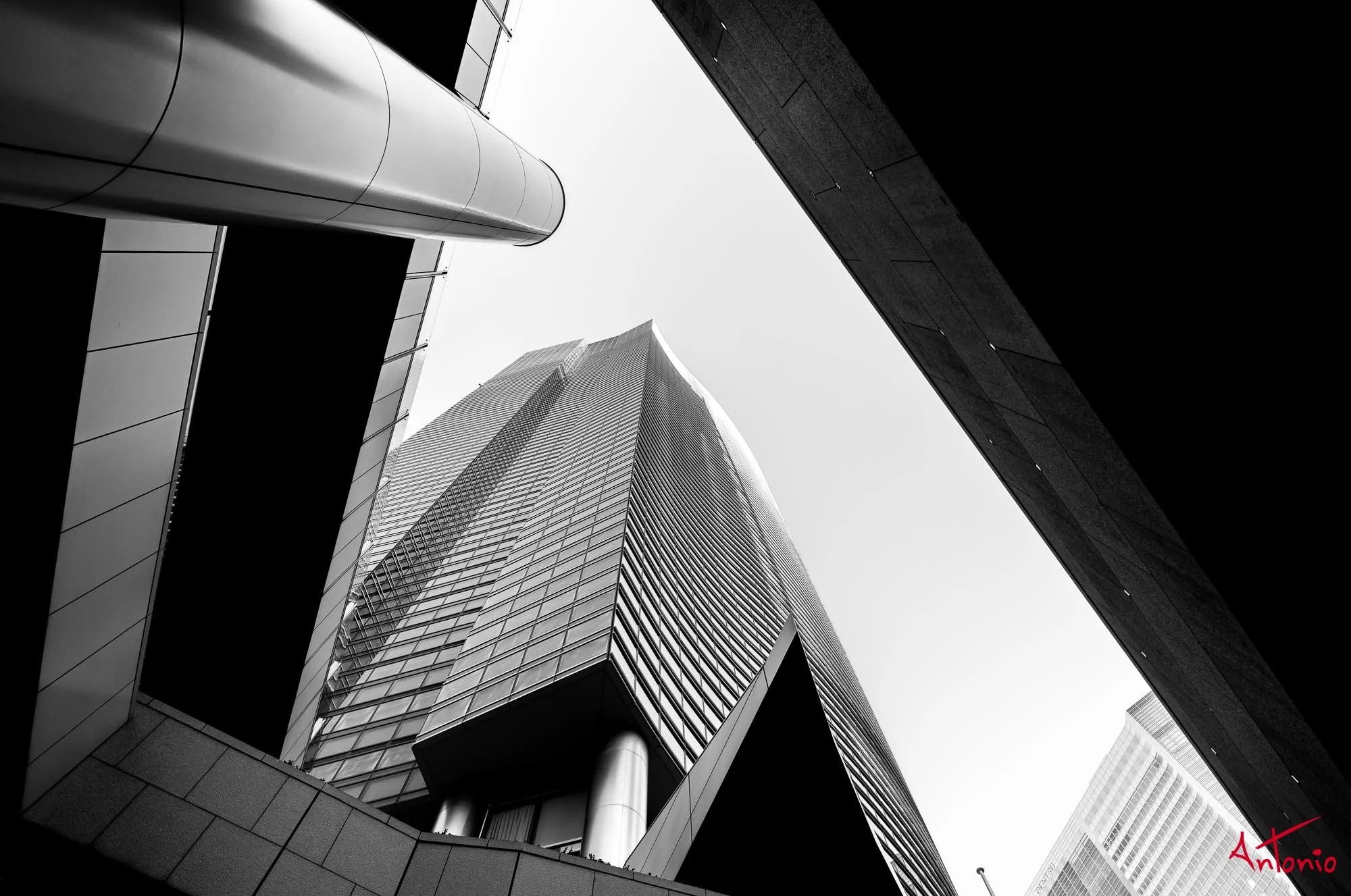
And then digital photography arrived…
The advent of digital photography profoundly transformed the way images are created. For decades, the act of taking a photograph required a certain inner discipline: every shot had a cost, every frame was limited, and therefore every decision had to be carefully considered. The photographer observed the light, studied the composition, and, above all, learned to wait. Waiting for the right moment was an essential part of the creative process.
With digital photography, that relationship changed. Today it is possible to take hundreds or thousands of photographs in just a few minutes. This has given rise to a new way of working in which many photographers rely more on abundance than on anticipation. They shoot without much thought, on the assumption that among thousands of images, one that works will always emerge. The selection happens afterward, in front of the screen, not beforehand, in front of the scene.
This does not mean that digital photography is inferior; on the contrary, it has democratized the medium and opened up extraordinary possibilities. However, it has also changed the nature of the photographic act. The risk is that the camera will cease to be a tool for observation and become a machine for accumulating images.
The difference, then, lies not in the technology but in the photographer’s attitude. Some work with patience, sensitivity, and an eye for the fleeting moment, while others rely on statistics: shooting a lot in the hope that something will turn out well. At its core, the debate is not between film and digital, but between two ways of looking at the world: one that seeks the image before pressing the shutter, and one that seeks it afterward, among thousands of files.
In the end, photography remains what it always was: a way of seeing. And seeing, in its deepest sense, has never been an act of quantity, but of quality.
Why we take photos ?
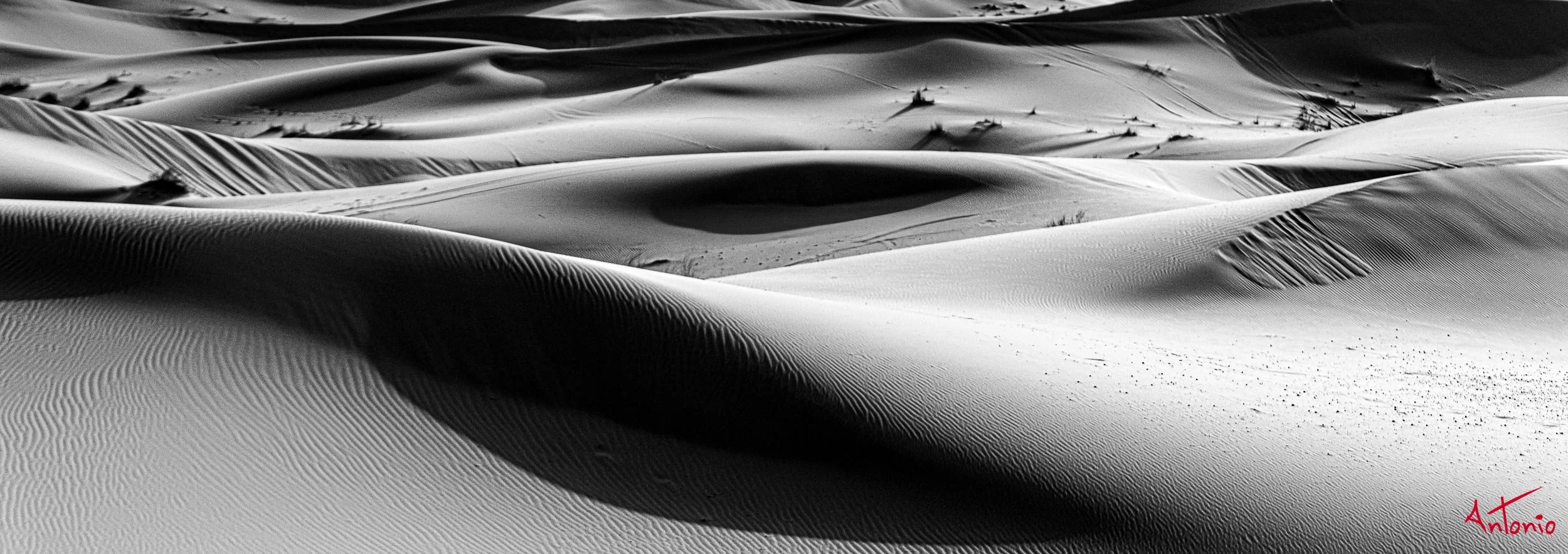
Photography does not stop time; it only allows us to remember it. Each image is a small proof that a moment existed and that someone was there to look at it. Perhaps that is why we take photos: so that what we saw, felt, or lived through does not completely disappear when time moves on.
At its core, taking photos is an act of resistance against oblivion. It is our way of saying that the everyday deserves to be eternal and that our personal perspective holds a unique value. In the end, what we keep are not just images, but the confirmation of our own existence: the evidence that the world passed through us and that we, for a brief moment, paused to recognize its beauty.
It is also a bridge built toward the future, a message in a bottle cast into the sea of time. We capture the present not just for ourselves, but for those who will come after us and look into our eyes with curiosity. Thus, photography transforms the fleeting into a shared legacy, allowing a stranger, in another century and another place, to feel the exact same wonder that compelled us to press the shutter.
Analog or Chemical?
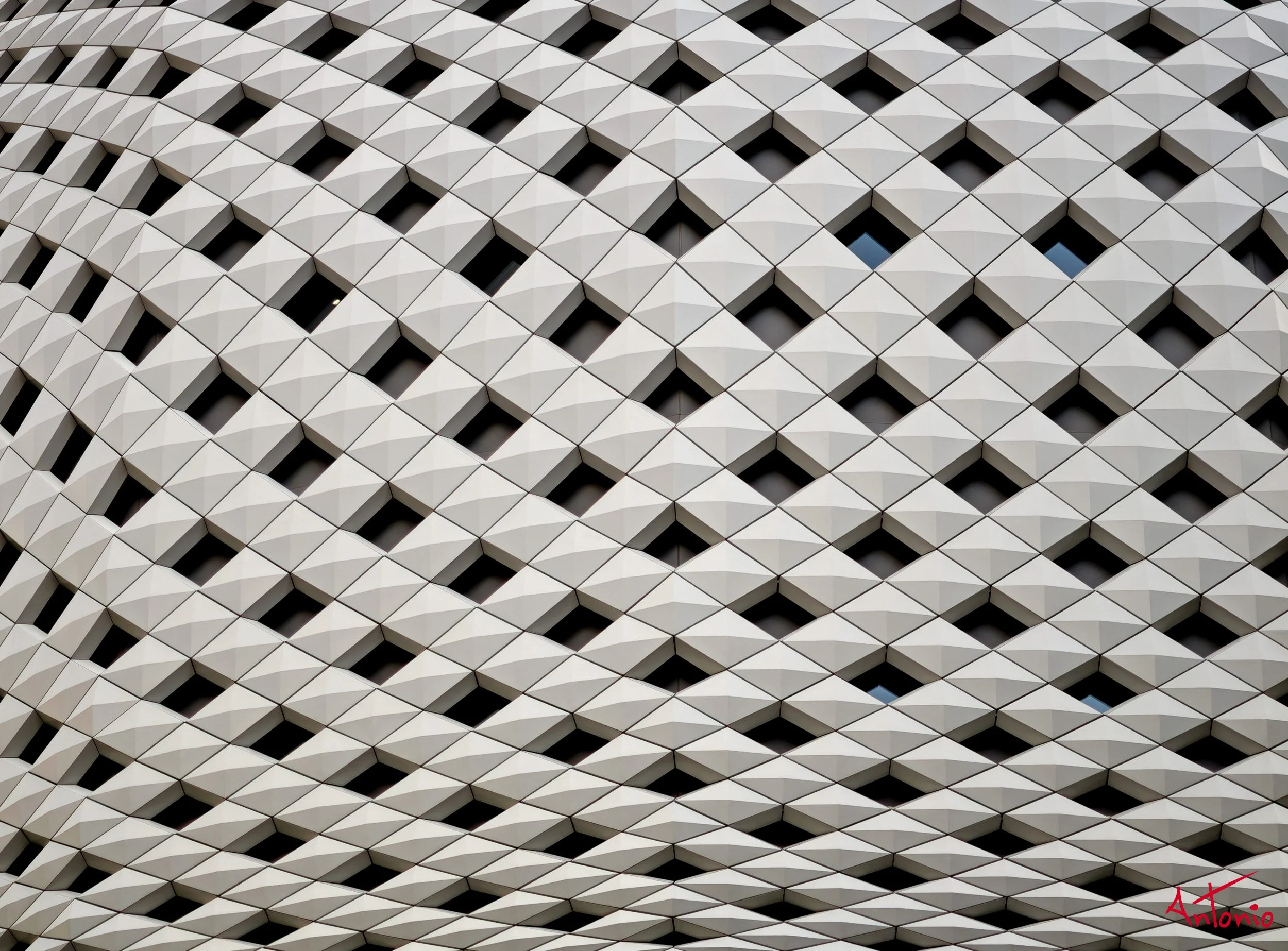
Today, we tend to divide the art of photography into two categories: digital and what we commonly call “analog.” However, the latter term is technically inaccurate, as it refers to sine waves that have little to do with capturing light. The photography we mistakenly call analog is, in essence, chemical photography: a process of pure alchemy where light alters matter. This distinction is vital, since while digital photography translates reality into the abstract language of ones and zeros, chemical photography retains an umbilical cord to the past. In it, there is no translation, but a caress: it is the light itself that has touched and physically transformed the emulsion, leaving a silver imprint that is, at the same time, presence and memory.
This corporeal nature gives the chemical image a texture where grain is the physical trace of captured time, operating under a rhythm of waiting and material transformation in the darkroom. For its part, the digital image is grounded in the precision of code, the flexibility of editing, and the file’s capacity for infinite replication. By replacing the false “analog-digital” dichotomy with the precision of “chemical-digital,” the aim is not to rank the two media but to define their identities. It is not a matter of deciding which is better, but of recognizing that we live in an era where light can be recorded in two distinct ways: as a mathematical data structure or as a tangible change in matter.

Photographer or Digital Artist ?
The photographer’s ethics lie in their ability to act as a faithful witness, respecting the integrity of what unfolds before their lens. The moment reality is altered—by adding nonexistent elements, removing objects, or distorting the scene—the creator crosses an invisible line: they cease to be a photographer in the strict sense of the word and become a designer or a digital artist.
While these disciplines have their own creative value, pure photography is grounded in a commitment to honesty toward what the camera and the eye captured in an unrepeatable moment. Remaining faithful to that original vision is what preserves the image as human and technical evidence, understanding that the true power of this profession lies not in fabricating fiction, but in the courage to hold reality’s gaze and document it as it is.
Far from establishing a moral hierarchy, defining these boundaries allows us to appreciate the individual merit of each process. While the photographer submits to the constraints of chance, natural light, and the unexpected, the digital artist expands the possibilities of the image through invention, absolute control, and the construction of alternative realities. Both practices constitute valid forms of visual expression, but they operate under different implicit contracts with the viewer. Recognizing where documentation ends and digital manipulation begins does not detract from the final piece; on the contrary, it clarifies whether we are looking at an honest record of a moment that existed in the world or at the technical materialization of an idea born in the creator’s mind.